Astrophotography Banner 1 - 3I/ATLAS Imaging Astrophotography Banner 2 - PixInsight Processing Astrophotography Banner 3 - NINA Setup Astrophotography Banner 4 - Deep Sky Capture

Mounts

The mount is the backbone of every astrophotography setup. It determines how long you can expose, how stable your images will be, and how accurately the telescope tracks the sky. Below are the mounts that have supported my telescopes through years of imaging and discovery.

Each new generation of mounts brought better tracking, higher payload capacity, and the ability to automate imaging — allowing me to focus more on the data and less on the mechanics.

Mount History

My astrophotography journey has always been supported by precision mounts. Pun intended. These are the foundation of any system and must perform very well, tracking the sky for hours on end. My mount selection has been driven by this one goal, and it is why I have settled on the mount that I use today.

Of course, for astrophotography you will need to select an equatorial mount that can be aligned to the earths pole, allowing you to essentially track the night sky with only one movement in RA, or right ascension. In practice, minor correction in DEC, declination, will be required throughout the night.

Over the years, I have owned several mounts from Vixen, Takahashi, and two Gemini mounts, the G41 and G42. Each one with improved capabilities and payload capacity.
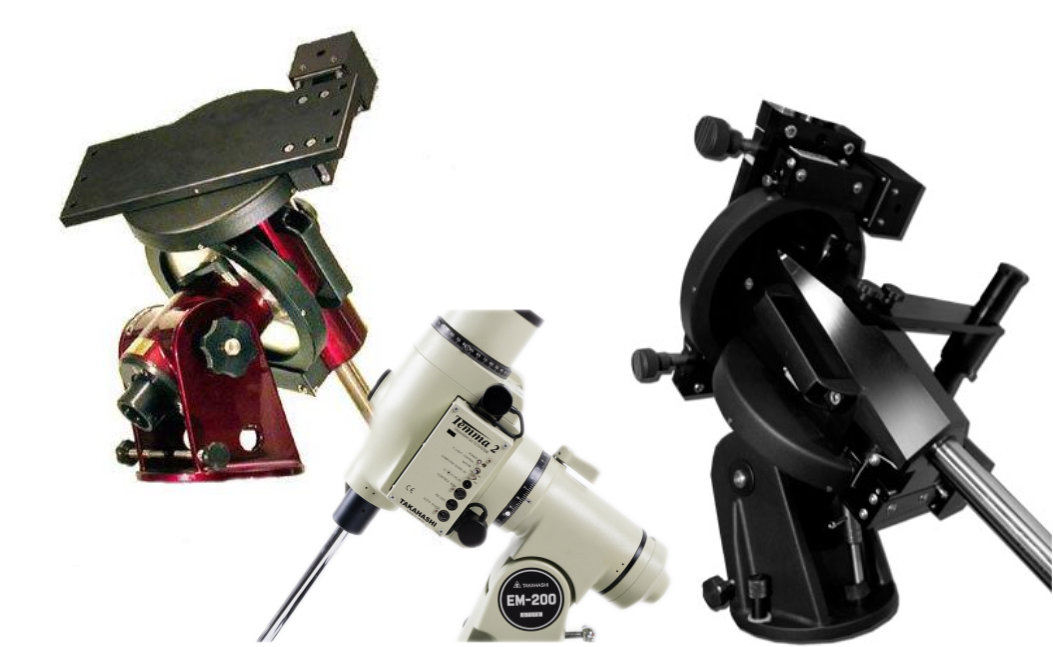
Mount History

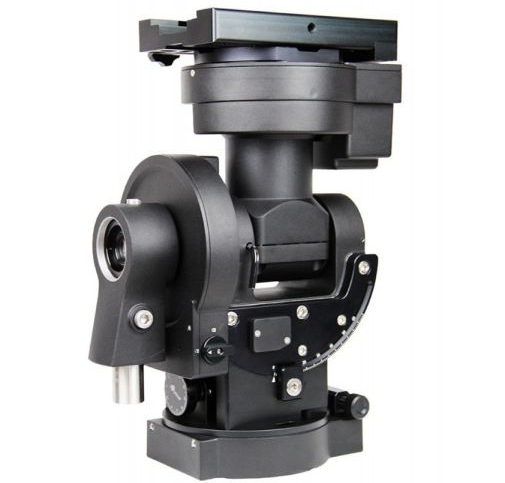
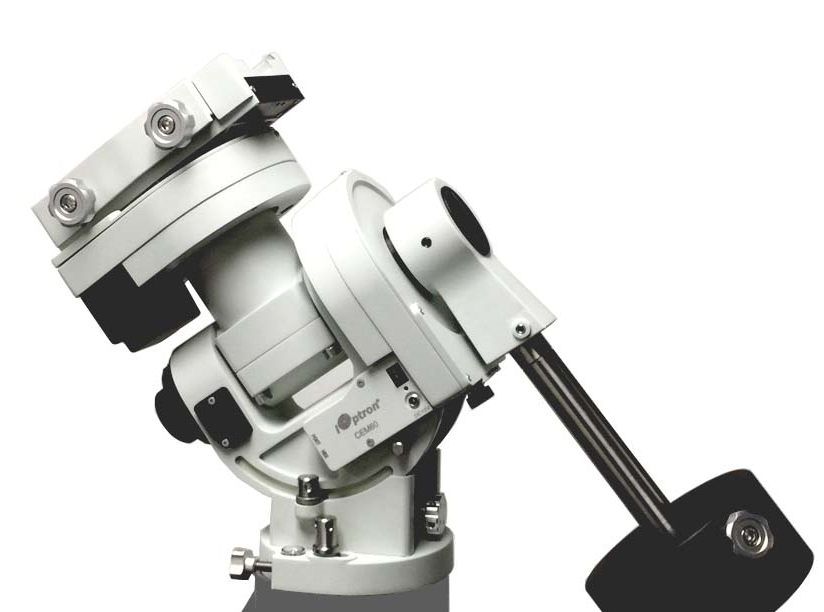
iOptron CEM60

The iOptron CEM60 was the first mount that I purchase new. A big investment at the time and my first introduction to the Center-Balanced Equatorial Mount design. Compact, lightweight, and efficient, it handled payloads up to 27 kg with ease.

That was important to me since Takahashi telescopes are not exactly lightweight. This mount could handle all of my telescope easily.

It is quiet, accurate, and portable enough for both field work. This is the mount that truly elevated my astrophotography and is a keeper for when I travel to dark sites. It is also the reason why I am not using a strain-wave mount, why would I?

iOptron CEM60

iOptron CEM70

The iOptron CEM70 refined the CEM concept with increased stability, improved bearings, and smoother drive performance. With its built-in iPolar and cable management, it quickly became my favourite mount.

This mount was bought secondhand to go remote in Spain. Towards the end of this year it will be placed in high peaks in Nerpio, Albacete, Spain.

The mount’s tracking precision and guiding consistency made it ideal for long-exposure imaging with heavier optical systems.

iOptron CEM70

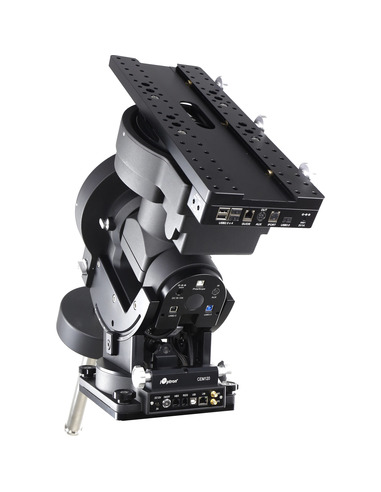
iOptron CEM120

The iOptron CEM120 is my current flagship mount — the heart of the permanent observatory. It carries my largest optical tube, the Omegon 355mm RC effortlessly and maintains sub-arcsecond tracking accuracy for hours at a time.

With Wifi, Ethernet connectivity, and remote operation capability, the CEM120 embodies the precision and reliability required for modern automated observatory.

Where the Gemini G42 failed, the Ioptron CEM120 succeeded and gives me my best platform for imaging all those beautiful galaxies.

iOptron CEM120