Astrophotography Banner 1 - 3I/ATLAS Imaging Astrophotography Banner 2 - PixInsight Processing Astrophotography Banner 3 - NINA Setup Astrophotography Banner 4 - Deep Sky Capture

Cameras

Astrophotography cameras have evolved dramatically over the years — from noisy, uncooled CCDs to ultra-sensitive CMOS sensors capable of deep-sky, planetary, and lunar imaging. Here are the cameras that have shaped my imaging workflow.

Camera History

My astrophotography journey started with DSLR cameras — learning how exposure, ISO, and stacking worked under the stars. Over time, I transitioned to dedicated astronomy cameras as technology advanced.

Each generation of camera brought new capabilities — lower noise, higher sensitivity, and improved cooling — allowing me to push deeper into faint nebulae and galaxies. For the longest time I purchased SBIG cameras, mostly secondhand to support my astrophotograhy. The ST2000XM did not really justify my faith in the companies camera. However, an ST10 camera came up for sale and I had to purchased it.

Unfortunately, it was the non-anti-blooming gate version. Extremely sensitive and great for deep sky objects; however, for the brighter targets, such as the Pleiades, it was useless and would bloom! Stars would oversaturate and bleed into adjacent pixels.

Camera History

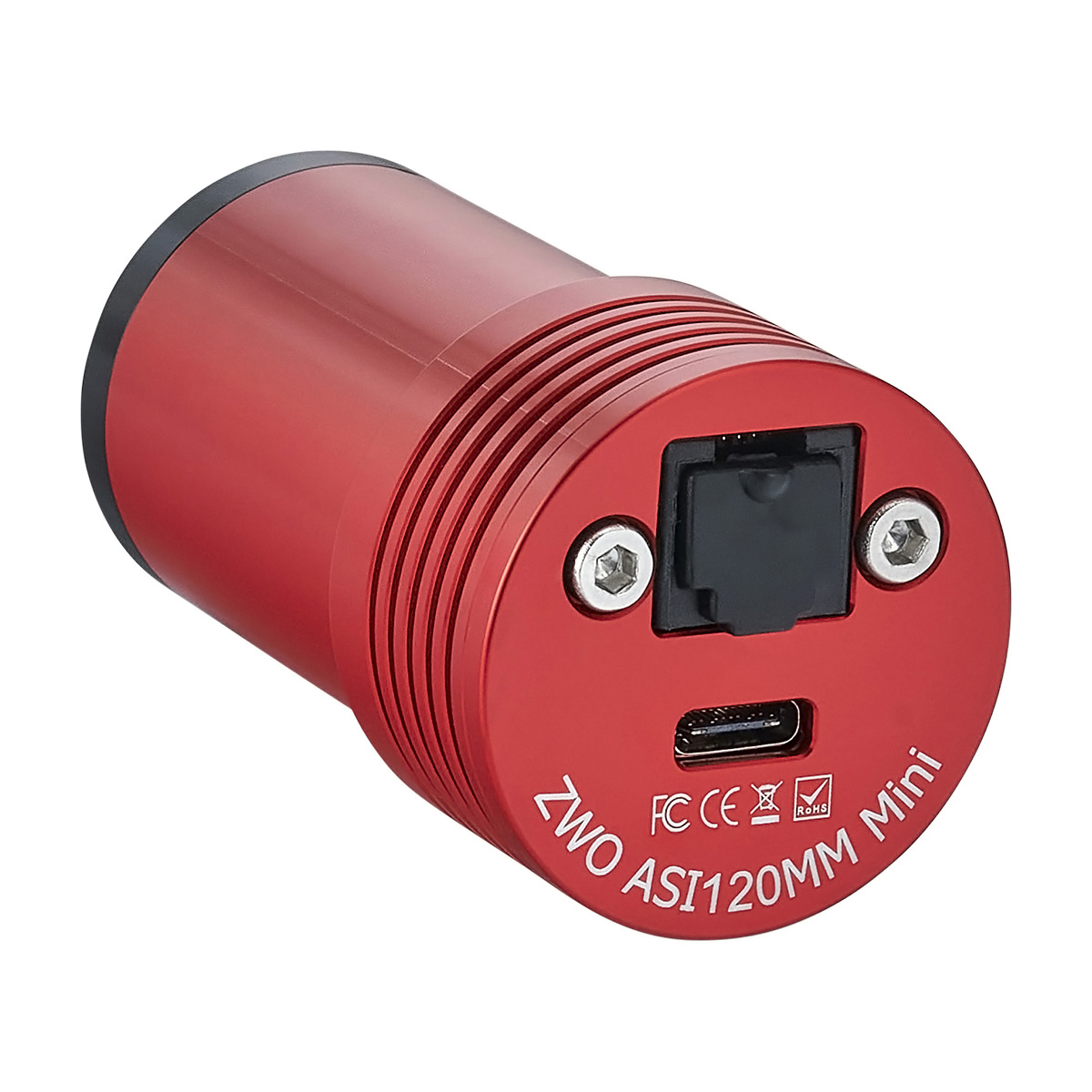
ZWO ASI120MM

The ASI120MM was my first ZWO monochrome astronomy camera — simple, compact, and affordable. It opened the door to high-resolution planetary imaging and autoguiding, two essential aspects of precision astrophotography.

While limited by sensor size and read noise, it remains a reliable workhorse for guiding.

ZWO ASI120MM

ZWO ASI1600MM Pro

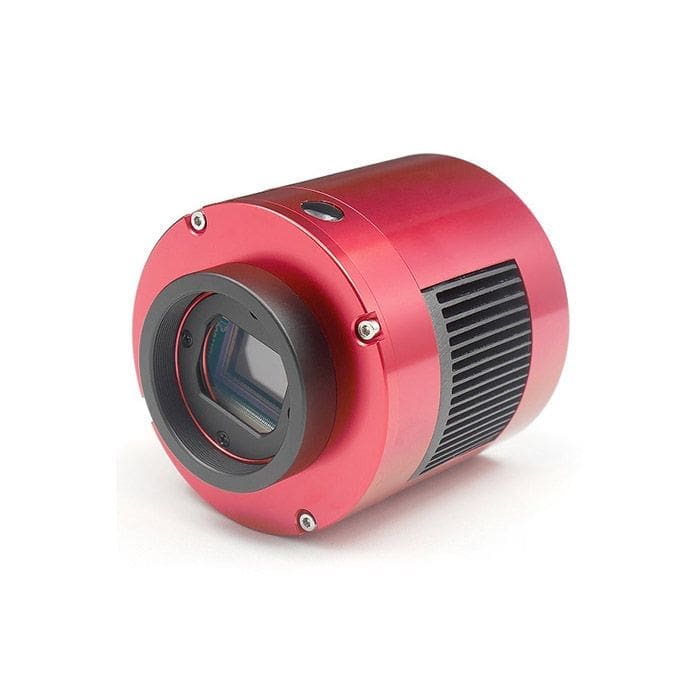
The ASI1600MM Pro represented a massive step forward — my first cooled, large-format ZWO monochrome CMOS camera. Its 4/3" Panasonic sensor and high dynamic range made it a game-changer for narrowband imaging. Mine has a very clean sensor and show very little amp-glow. I normally only need to run bias and flats to calibrate my images.

Combined with my filters, it delivered deep, detailed images of nebulae and galaxies from my backgarden.

ZWO ASI1600MM Pro

ToupTek 2600C

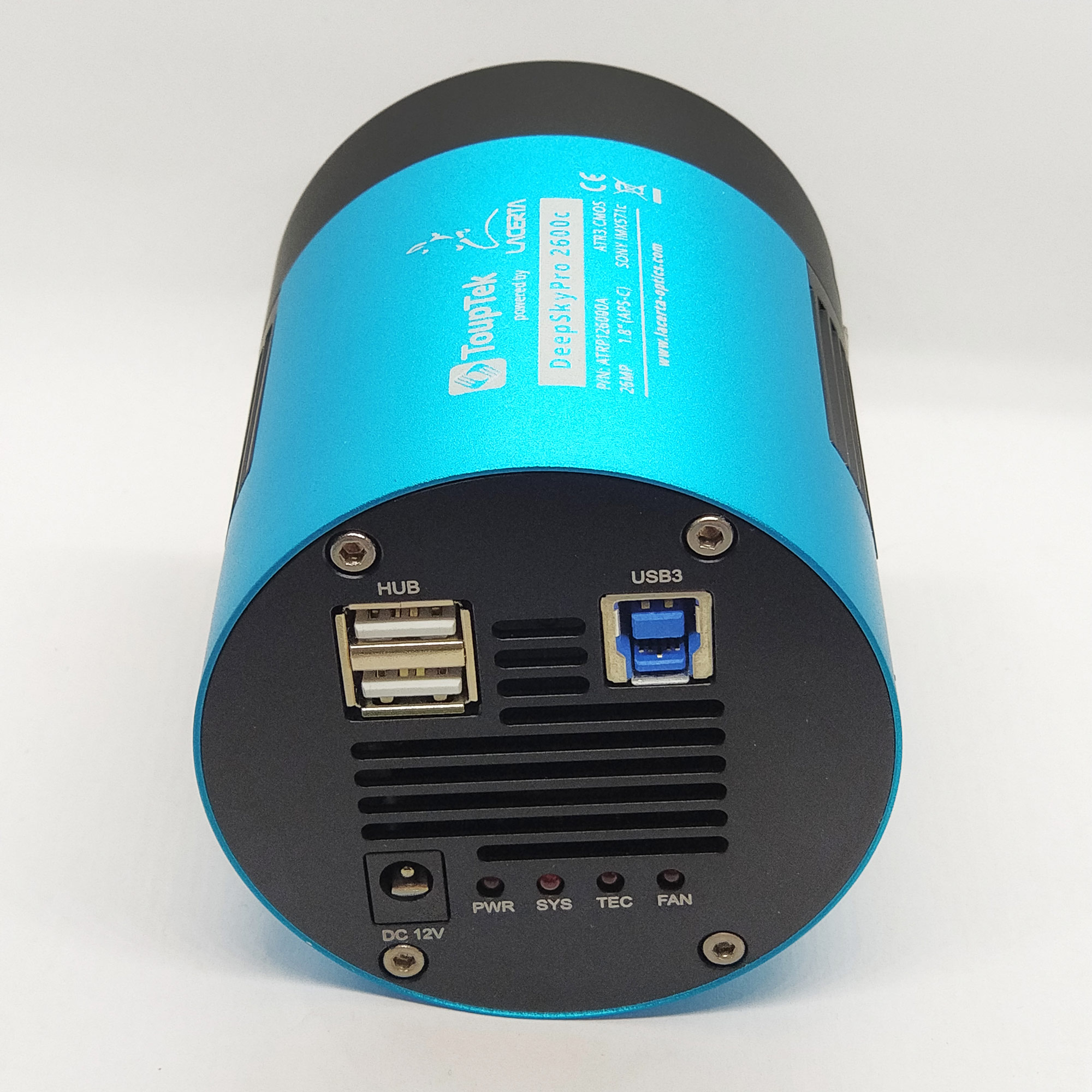
The ToupTek 2600C is a full-color cooled CMOS camera based on the same sensor used in the ASI2600MC. Its low noise and high quantum efficiency make it ideal for broadband color imaging — perfect for galaxies, wide-field nebulae and star clusters.

It performs exceptionally well on my Omegon RC, providing crisp color and fine detail without requiring complex LRGB processing. Astro imaging on easy mode as I like to call it.

ToupTek 2600C

GPM462M

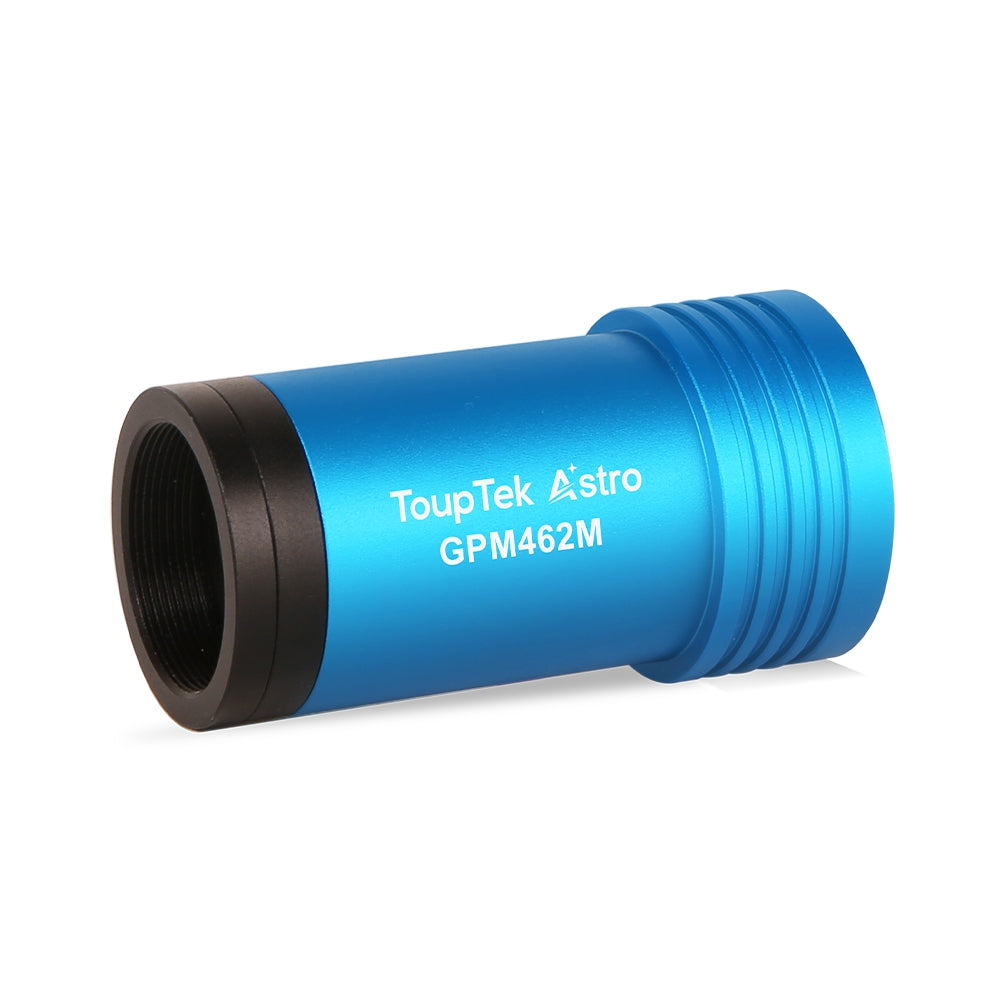
The GPM462M is a sensitive planetary camera optimized for high-frame-rate capture. With a monochrome Sony IMX462 sensor, it excels in near-infrared and visible wavelengths.

This camera is ideal for lunar and planetary imaging — its fast readout speed and excellent low-light response make it perfect for stacking sharp detail in turbulent conditions. However, I also use this as a guide camera for my main imaging systems.

GPM462M

Neptune 664C

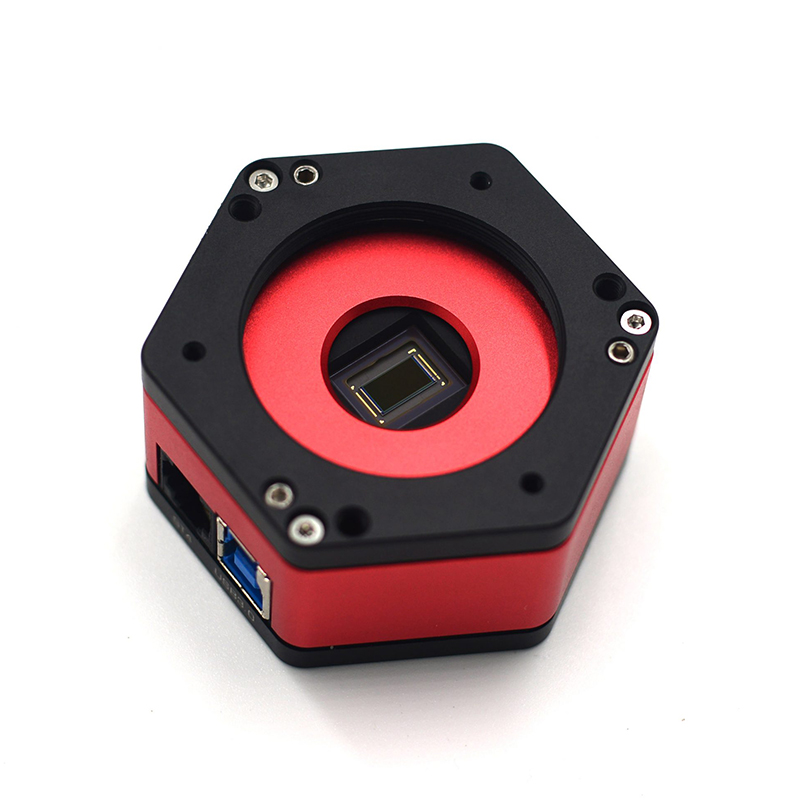
The Neptune 664C is a color planetary camera designed for versatility and ease of use. It’s small, lightweight, and produces vibrant results on the Moon, planets, and even solar imaging when paired with the right filters.

Compact but capable, this is my go-to camera for lunar and planetary imaging. Paired with my Mewlon, it has produced some stunning results.

Neptune 664C